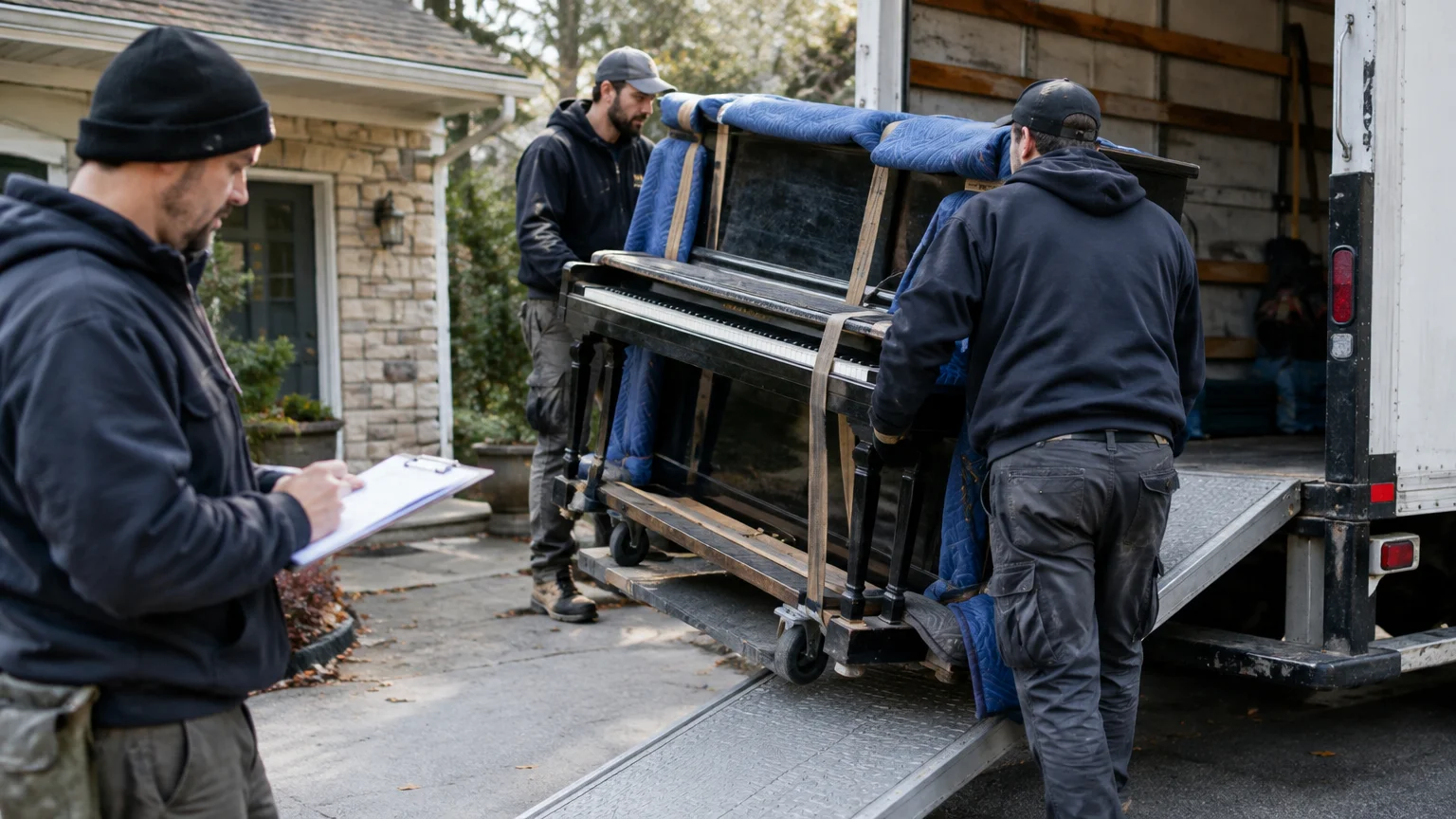
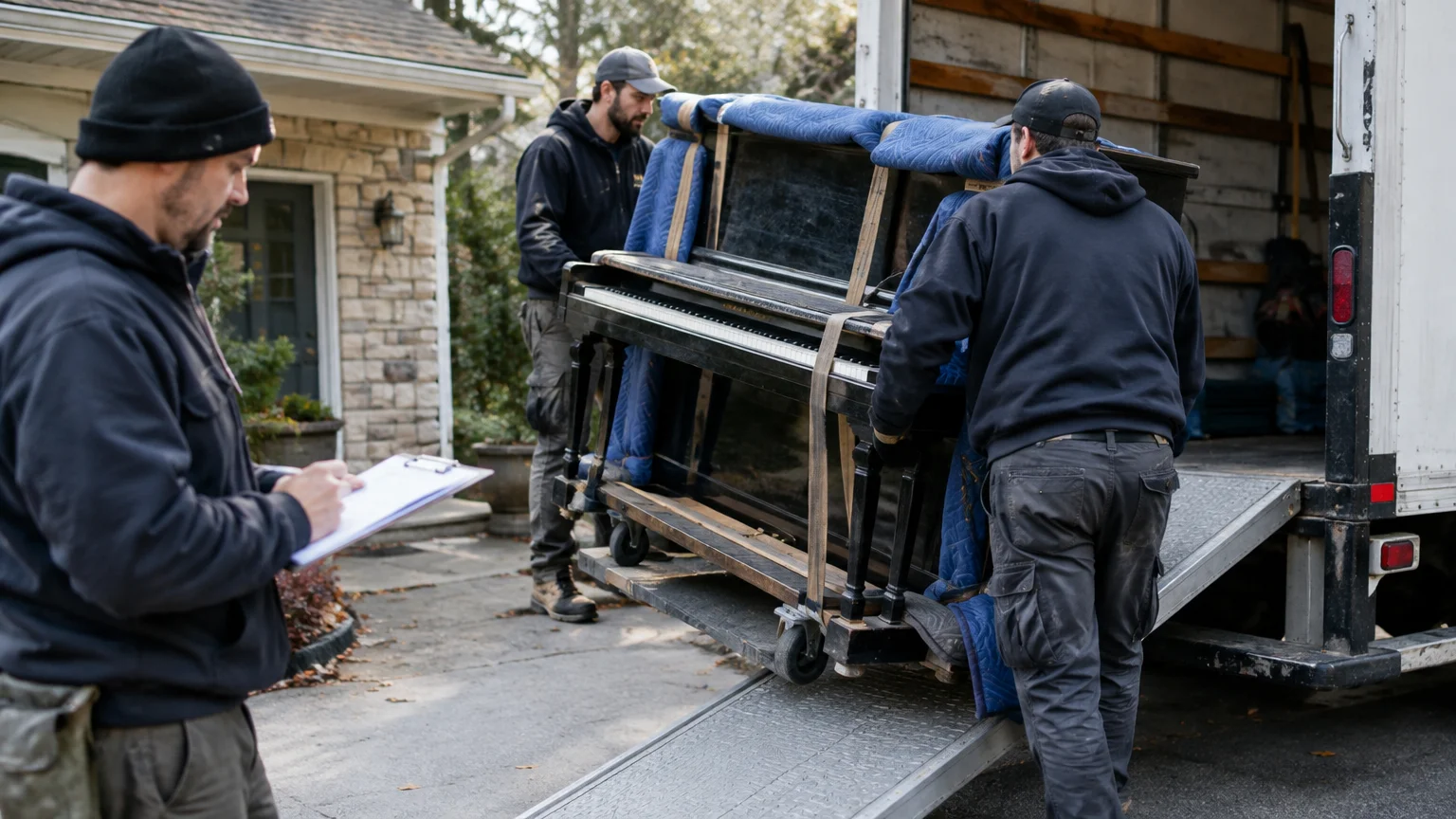
The answer to how much does it cost to move piano depends on the instrument, travel distance, access, equipment, and services needed. A professional mover reviews these details before preparing an estimate. Careful planning helps protect the piano, the home, and the people doing the work.
Moving a piano can feel stressful. Pianos are heavy, delicate, and hard to guide through tight spaces. A mistake may damage the finish, a wall, or a person. The final estimate should reflect the real work, not only the miles between two addresses.
Table of Contents
- How much does it cost to move a piano?
- What piano factors affect the moving cost?
- How does the moving distance affect piano costs?
- How do stairs, doorways, and access affect the price?
- What services are included in a professional piano move?
- What specialty circumstances can increase piano-moving costs?
- How can you compare piano-moving quotes accurately?
How much does it cost to move a piano?
Piano moving costs vary because every job has its own risks and needs. A short move with clear, ground-level access may take less time. A large piano, long trip, tight stairway, or difficult driveway may need more workers and equipment.
Why piano-moving quotes vary instead of using one flat price
Movers review many details before giving an estimate. These details include the piano type, size, weight, travel distance, and crew size. They also look at stairs, elevators, turns, gates, parking, and the place where the piano will go.
The estimate may change if the piano needs partial disassembly. Some jobs need special boards, straps, padding, ramps, dollies, or lifting tools. These items help control the piano and protect nearby surfaces. Trained workers must also know how to use them safely.
There is no dependable price for every piano move. Sarasota Florida Movers helps Sarasota homeowners, tenants, and business owners understand what shapes an estimate. A clear description of both locations gives the mover a better starting point.
What a professional assessment includes before the move
A professional assessment looks at the piano and both locations. The mover may ask for photos, measurements, floor details, and notes about steps or gates. A video call or visit may help when the route is hard to explain.
The assessment should also confirm the piano’s final location. It should not block doors, vents, stairs, or walkways. Choosing the spot early can prevent extra handling after delivery.
What piano factors affect the moving cost?
Piano type, size, weight, condition, and design all affect the moving plan. An upright piano needs a different method than a grand piano. An old or damaged instrument may need more care during handling.
How piano type, size, weight, and condition change the plan
An upright piano stands tall and often fits through normal doors. It can still be very heavy and hard to move. The crew may secure the top, cover the keys, wrap the cabinet, and use a piano dolly.
A baby grand, grand, or concert grand has a wider body and a separate lid. Its shape makes turns and doorways more difficult. Movers may remove the legs and pedals, secure the lid, and place the piano on a special skid board.
The piano’s condition matters too. Loose parts, weak casters, cracked legs, or damaged panels create added risk. The mover may record these conditions before work begins. This record helps everyone understand the instrument’s condition before handling starts.
Why grand pianos often require additional preparation
Grand pianos need careful preparation because their legs and pedals can catch on objects. The lid may need to stay closed and covered. A padded cover by itself may not give enough protection for every move.
The piano’s size also affects the route. A larger model may need wider doors, a longer path, or special lifting gear. If the route is not safe, the team may need to change the plan before moving day.
Owners should share the make, model, approximate size, and photos when requesting an estimate. This helps Sarasota Florida Movers plan the right crew and equipment for Sarasota and nearby areas.
How does the moving distance affect piano costs?
Distance affects travel time, fuel use, crew scheduling, and transport planning. A local move may take fewer travel hours. A longer move can mean more time on the road and more care during transport.
Local moves compared with longer-distance transport
A local piano move may finish in one day when both locations are easy to reach. The mover still needs to plan loading, safe driving, unloading, and placement. A short trip does not remove the need for careful handling.
Longer transport adds road time and exposure. The piano must stay secure inside the truck during stops and turns. The schedule may also depend on truck space, routes, weather, and delivery access.
For a move in the main Sarasota area, details matter. This may include Southgate, Downtown, Longboat Key, Bradenton, Palmetto, Venice, and nearby communities. The best estimate comes from sharing both addresses, access notes, and the requested date.
A mover may also ask whether the piano is part of a full household move. It may instead be a separate specialty-item job. That difference can affect the crew, truck, and time needed.
How travel time, mileage, and scheduling affect the estimate
Travel time affects how long the crew and vehicle are assigned to the job. A distant pickup or delivery may also limit the dates that work. Traffic, road closures, and limited parking can add planning needs.
Timing matters when the move must happen on one set day. A narrow delivery window may require planning with a building, office, landlord, or closing date. Business owners may schedule around customer hours to limit downtime.
A useful quote request includes pickup and delivery locations, piano details, access notes, and preferred dates. These details help the mover separate travel needs from handling needs.
How do stairs, doorways, and access affect the price?
Access can affect the price because hard paths take more time and may need extra workers or equipment. Stairs, narrow doors, sharp turns, elevators, and uneven ground all change how the piano can move safely.
Why tight turns, narrow openings, and multiple floors matter
A piano must fit through every part of the route, not only the front door. Movers may check hallways, landings, door swings, ceiling height, and corners. A path that looks open may not work once the piano is tilted or turned.
Multiple floors can require more labor and close control. Stairs should be checked for width, strength, rails, and landing space. The crew may protect walls, floors, rails, and nearby furniture before starting.
Elevators need planning too. The mover may need the elevator size, weight limit, door width, and building rules. Some buildings require a reservation or protective padding. These points should be settled before moving day.
When lifts, ramps, or specialized equipment may be needed
Ramps can help with small changes in height, but they must be stable and strong enough for the load. A piano dolly helps roll the instrument over a safe surface. A skid board can help control a grand piano during hard movement.
Some locations may need a lift or another special method. This can happen when the piano cannot pass through doors or stairs. Trained professionals should plan the method after reviewing the site.
A homeowner should not remove doors, rails, or piano parts without a safe plan. A wrong change may cause damage or make the route less secure. Photos and measurements give the moving team useful information before arrival.
What services are included in a professional piano move?
A professional piano move may include planning, protection, loading, transport, unloading, and placement. The exact work depends on the piano and route. Owners should ask what the estimate includes before choosing a mover.
Packing, protection, loading, transport, and placement
The crew may cover the piano with moving blankets and secure parts that could open or shift. Floors, walls, door frames, and other surfaces may need protection along the route. The piano is then moved with equipment suited to its design and weight.
During transport, the piano should be placed and secured so it does not shift. The crew may check the load before leaving and after reaching the new site. The piano is placed where the owner requested when that spot is safe and accessible.
Packing Services may help with nearby household items that need careful wrapping. Loading & Unloading Help may also suit owners with a truck or container who need trained labor for heavy handling.
When disassembly, reassembly, or piano tuning may be separate
Some grand pianos need limited disassembly before passing through a doorway. This may include removing legs, pedals, music desks, or other parts. The mover should explain what will be removed and how each part will be protected.
Reassembly may be included or listed separately. Owners should ask before moving day so the work is clear. They should also ask who handles parts that need special knowledge.
A piano may need tuning after transport. Movement, temperature, and humidity can affect its sound. Tuning is often separate from moving, so the owner can ask a qualified piano technician when it should happen.
What specialty circumstances can increase piano-moving costs?
Unusual routes, rough ground, weather, and urgent timing can increase the work required. These conditions may not change the piano, but they can change the equipment, crew, safety plan, and schedule.
Moving pianos through windows, balconies, or challenging terrain
A window or balcony move may be considered when a piano cannot fit through doors or stairs. This method needs a careful site review. The building, opening, landing area, weather, and lifting path must all support safe work.
Uneven yards, gravel, mud, steep driveways, and long walks can also make movement harder. The crew may need another route or different equipment. Parking far from the door can add carrying and protection needs.
Apartment Movers can help renters plan around stairs, elevators, building rules, and tight halls. Commercial & Office Movers may help businesses protect equipment and limit disruption during an office move.
How weather, timing, and urgent scheduling affect planning
Rain, ice, strong wind, and extreme heat can make outdoor movement unsafe. Weather may require a covered path, a new schedule, or added floor protection. The piano should not face avoidable moisture or rough conditions.
Urgent moves can be harder to schedule because specialty equipment and trained crews may already be assigned. Short notice may also leave less time to arrange building access or parking. The mover should explain what can be planned safely in the time available.
Share all timing limits early. These may include closing dates, lease deadlines, elevator reservations, office hours, and travel plans. Early details help the mover find risks before moving day.
How can you compare piano-moving quotes accurately?
The best way to compare quotes is to compare the same work, route, equipment, and conditions. A lower figure may leave out disassembly, stairs, long carries, placement, or special protection. A clear written scope makes each estimate easier to understand.
Questions to ask before choosing a moving company
A homeowner or business owner can ask:
- Has the mover handled this piano type and size before?
- Is the estimate based on photos, measurements, a video call, or a site visit?
- Does the scope include wrapping, loading, transport, unloading, and placement?
- Are stairs, elevators, long carries, or rough ground included?
- Are disassembly, reassembly, storage, or tuning handled separately?
- What access details should the owner confirm before moving day?
Ask how the crew protects floors, walls, doorways, and the piano itself. Clear answers show whether the mover reviewed the full route. Written details can reduce confusion when several people help plan the move.
Sarasota Florida Movers can review the details of a piano move for customers throughout the Sarasota area. Sharing accurate information helps the team understand the work before preparing an estimate.
Key takeaways for planning a safe, accurate piano-moving estimate
- Piano type and size matter: Uprights and grand pianos need different tools and handling plans.
- Distance affects scheduling: Longer trips may require more travel time and transport planning.
- Access changes the work: Stairs, turns, elevators, and narrow doors may need extra labor.
- Services should be clear: Ask whether protection, placement, disassembly, and reassembly are included.
- Details improve estimates: Photos, measurements, route notes, and timing limits help prevent surprises.
Frequently Asked Questions
Is moving a piano different from moving regular furniture?
Yes. A piano is heavy, delicate, and hard to control. Its weight is not evenly spread, and its legs, keys, pedals, and finish can suffer damage. Professional movers use protection and equipment made for heavy specialty items.
Can a piano be moved without taking it apart?
Some upright pianos can move without disassembly when the route is wide and safe. Grand pianos may need selected parts removed for doors or turns. The moving team should decide this after reviewing the piano and full path.
Should a piano be tuned after it is moved?
A piano may need tuning after transport. The timing depends on its condition and the new room. Changes in temperature, humidity, and position can affect sound. A qualified piano technician can suggest the right time.
What information helps a mover prepare a piano quote?
Useful details include the piano type, approximate size, photos, pickup and delivery locations, stairs, elevators, door widths, driveway conditions, and requested dates. Owners should also explain the final placement and building rules. Complete details help the mover plan labor and equipment.
How much does it cost to move piano when stairs are involved?
There is no single answer because stairs vary in width, height, turns, surface, and access. The number of flights and piano type also matter. A mover should review the route before confirming the estimate, especially when landings or tight turns are involved.
Conclusion
Piano-moving costs depend on the whole job, not only the miles traveled. Piano type, size, access, distance, equipment, protection, timing, and placement all shape the estimate. Careful planning helps protect the instrument and reduce avoidable risks.
Contact us to discuss your piano move and request a clear quote from Sarasota Florida Movers.